

An illustrated guide by O! Jewelry
How to choose an engagement ring
Start with the person, then the ring. Their taste, daily routine and the way they wear jewelry are more useful starting points than a rule about what an engagement ring should cost or look like.
This illustrated guide explains diamond shapes, the 4Cs, settings and gold, followed by practical advice on budget, sizing and care. Use it to narrow down your preferences; you do not need to decide everything before visiting us.
Explore the diagrams: Diamond shapes · Carat weight · Color and clarity · Settings · Gold colors
CHOOSING THE DIAMOND SHAPE
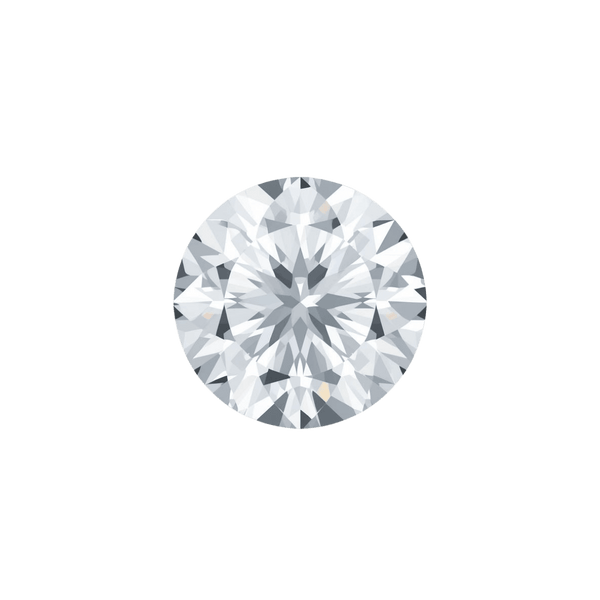
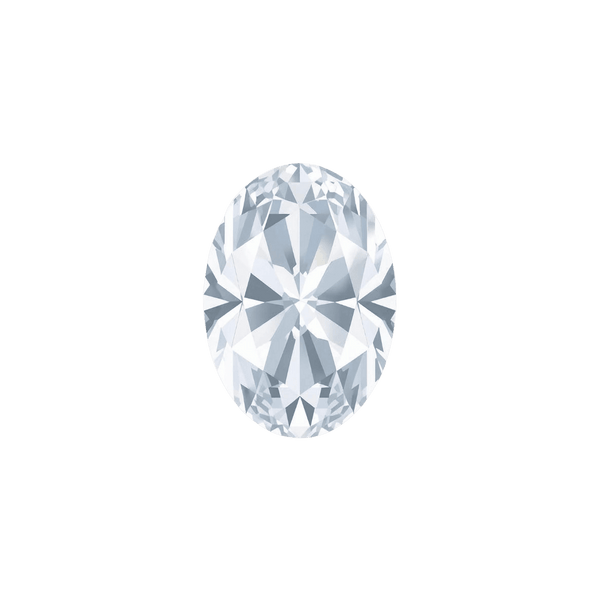
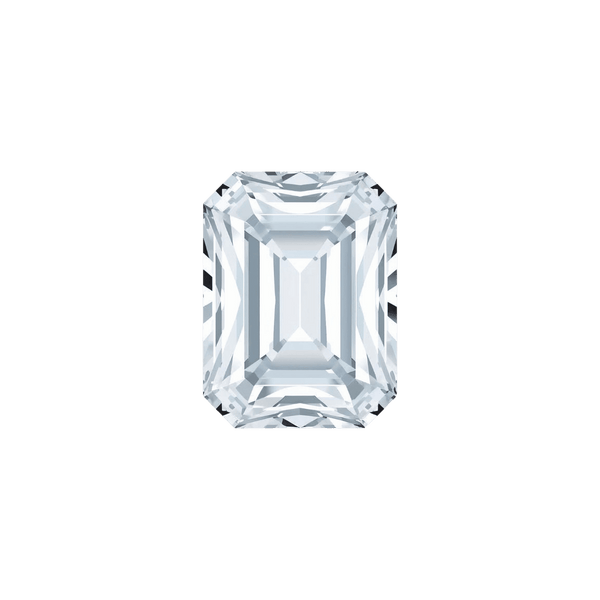
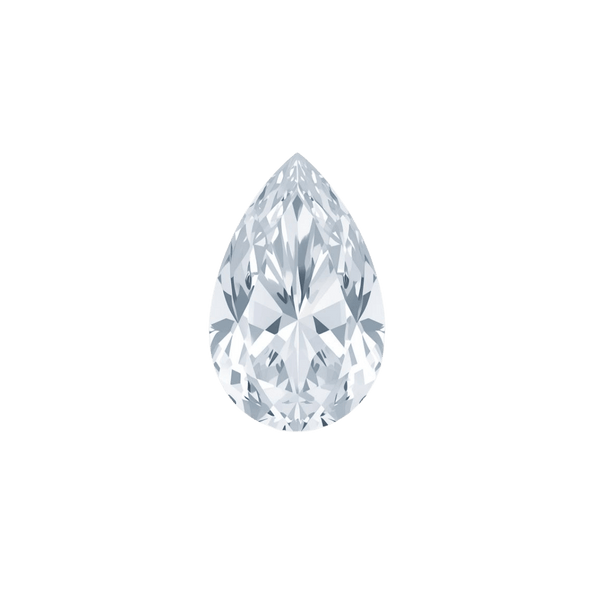
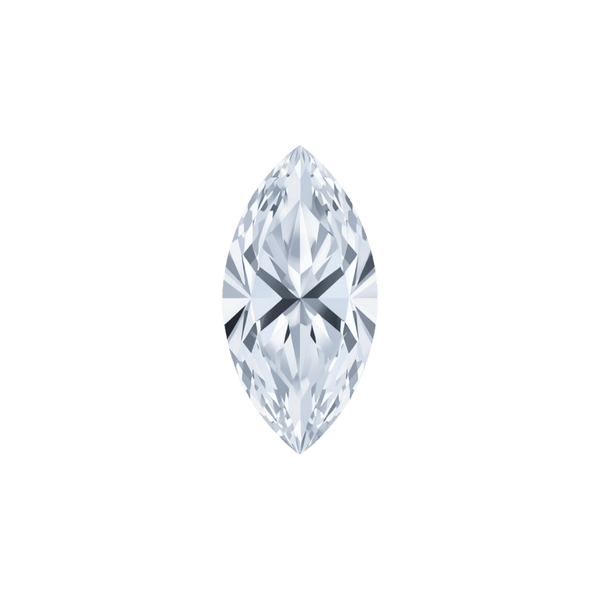
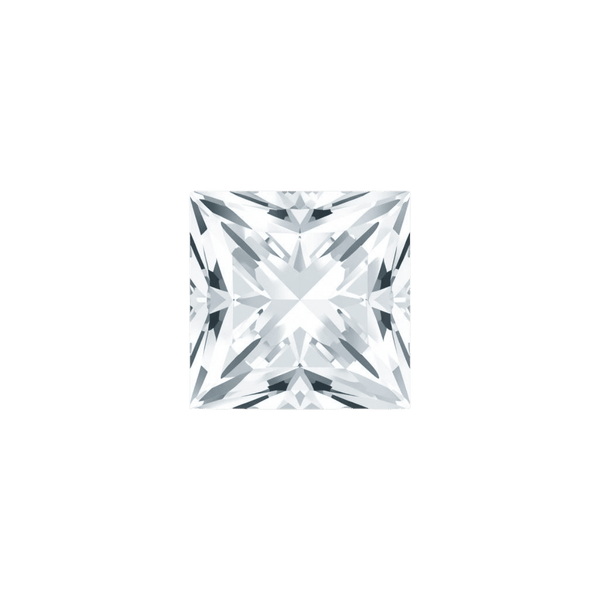
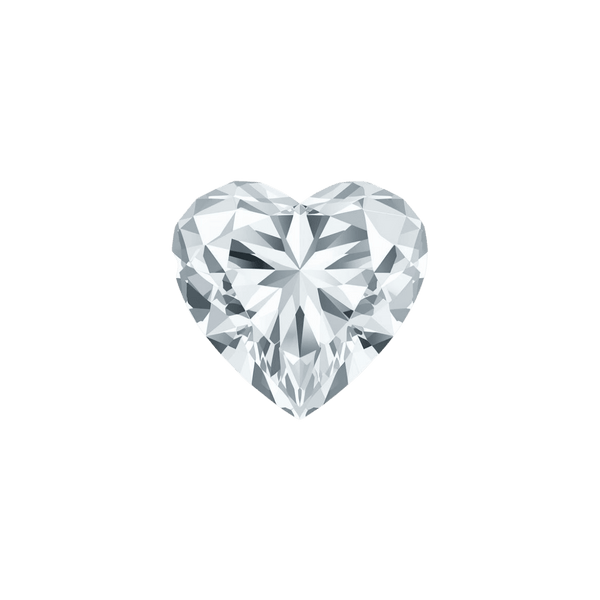
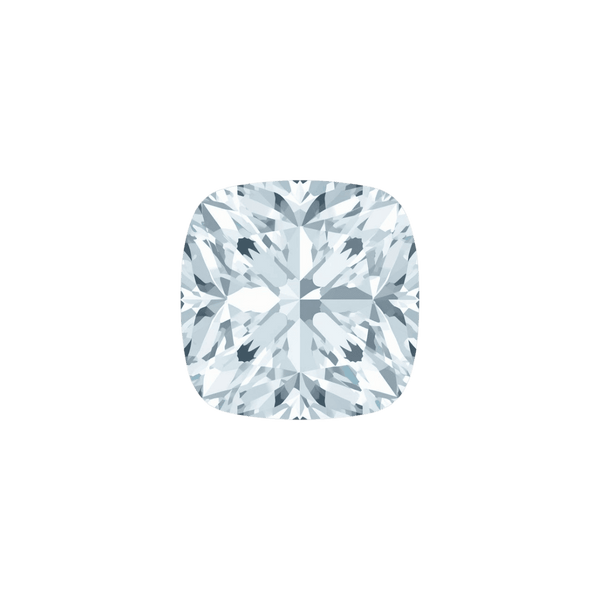
Shape is the diamond’s outline when viewed from above. It sets the character of the ring, while the cutting style determines how the facets are arranged. The same shape can look different depending on its proportions and setting.
Round brilliant: a circular outline with a familiar, balanced appearance. Oval: an elongated outline with rounded ends. Emerald: a rectangular step cut with an open, architectural appearance. Pear: a rounded end meeting a point, worn in either direction.
Marquise: an elongated shape with two pointed ends. Princess: a square outline with defined corners. Heart: a distinctive outline whose balance depends on its proportions. Cushion: a square or rectangular shape with rounded corners; some look softly elongated, others more compact.
Compare shapes on a hand as well as in a photograph. Notice the length, width and proportions you prefer, and how the stone sits with the band. The diagrams illustrate shapes, rather than guaranteeing the exact appearance or scale of a finished ring.
UNDERSTANDING CARAT WEIGHT
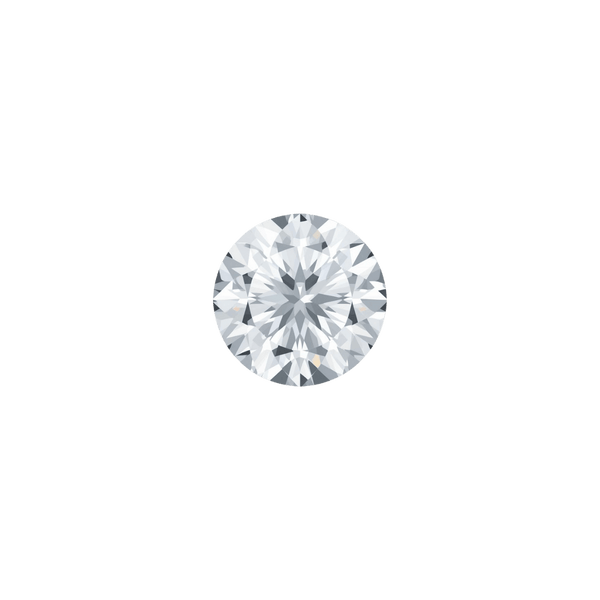
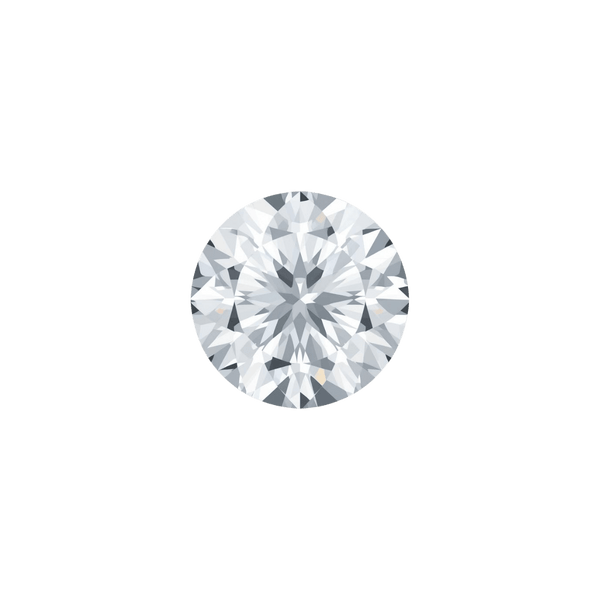
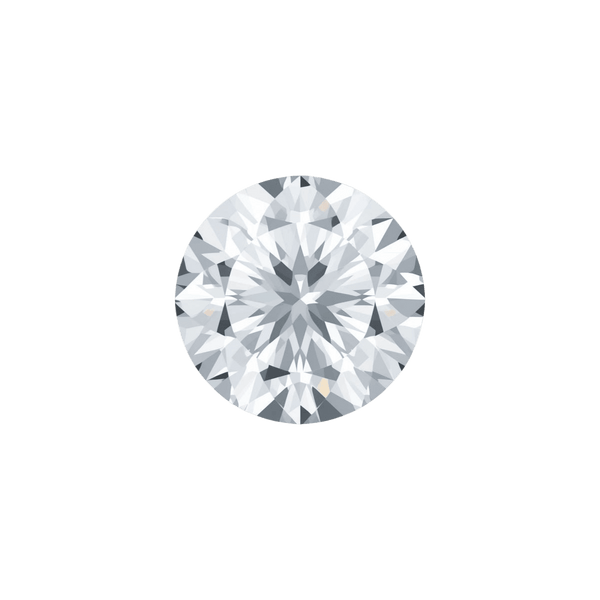
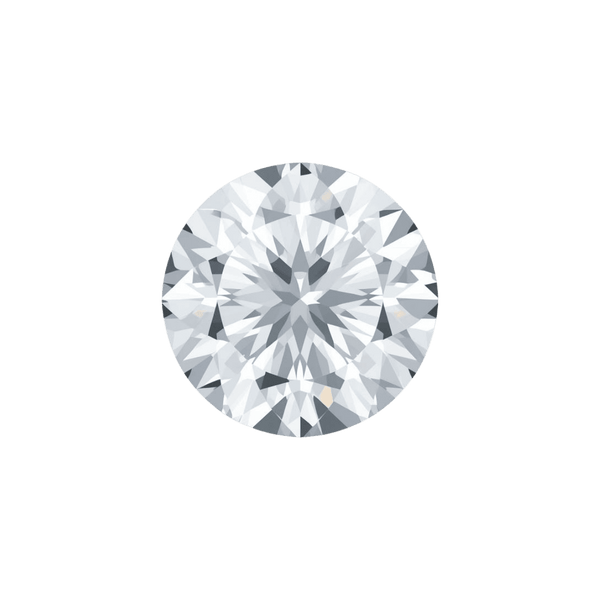
Carat measures a diamond’s weight, rather than its diameter: one carat equals 0.20 grams. Its visible size also depends on its shape and proportions.
Two diamonds of the same carat weight can occupy different amounts of space on the hand. A deeper stone carries more of its weight below the surface; an elongated outline distributes it differently from a round one.
Compare the diamond’s actual measurements, its profile and the width of the band. Consider whether you prefer a discreet ring, a generous centre stone or a design where several stones create the overall presence. The illustrations are comparisons, not a sizing tool.
The 4Cs: include cut quality
The 4Cs are cut, carat weight, color and clarity. Cut quality describes the way a diamond handles light; an oval outline is a shape, rather than a cut-quality grade. A stone with impressive specifications can still look less lively if its proportions do not work well.
GIA’s overall cut grade applies to standard round brilliant diamonds. For other shapes, compare the stone itself, its proportions and the information on its report. A grade is a useful reference, not a substitute for looking.
CHOOSING COLOR AND CLARITY
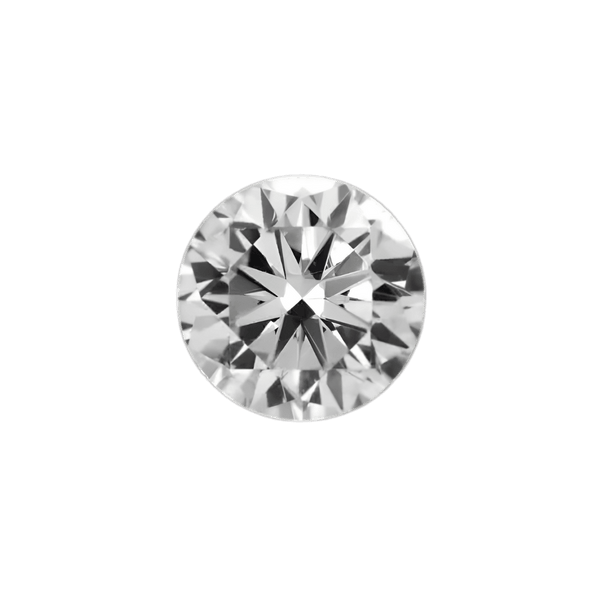
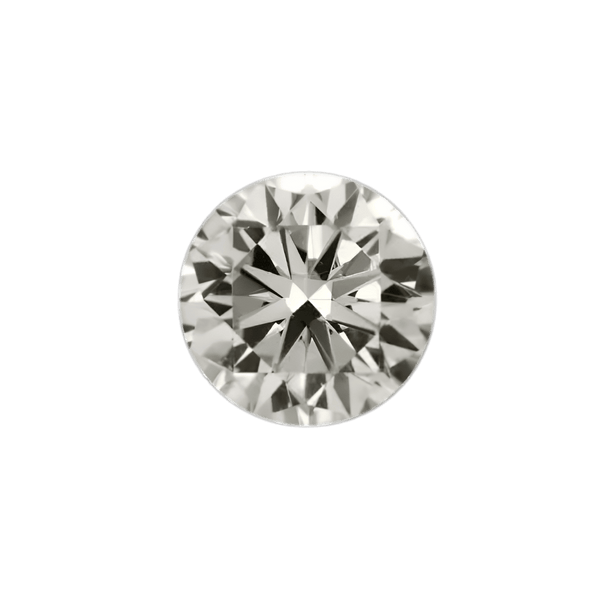
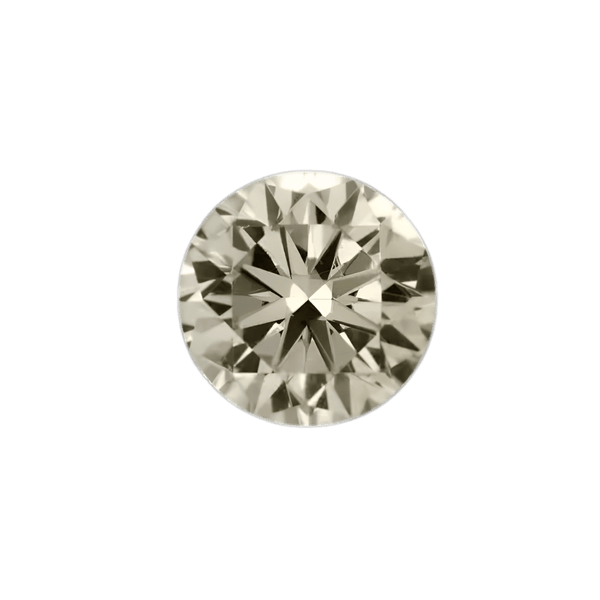
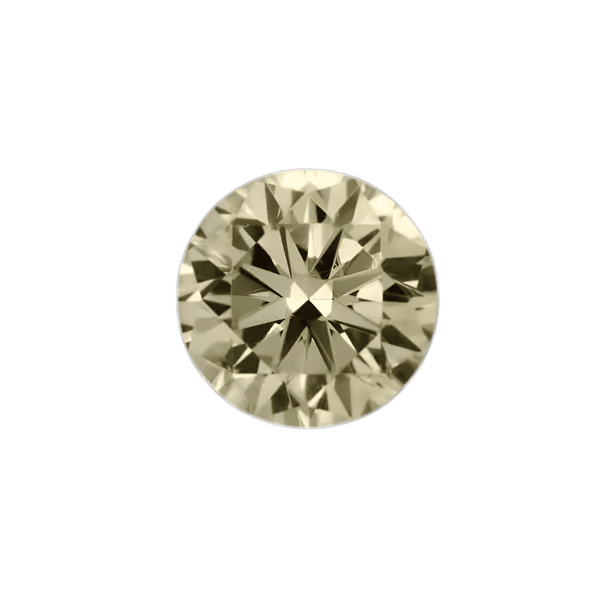
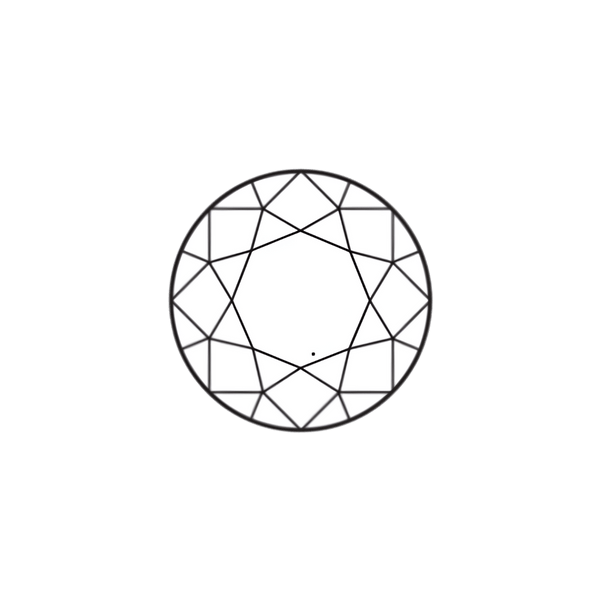
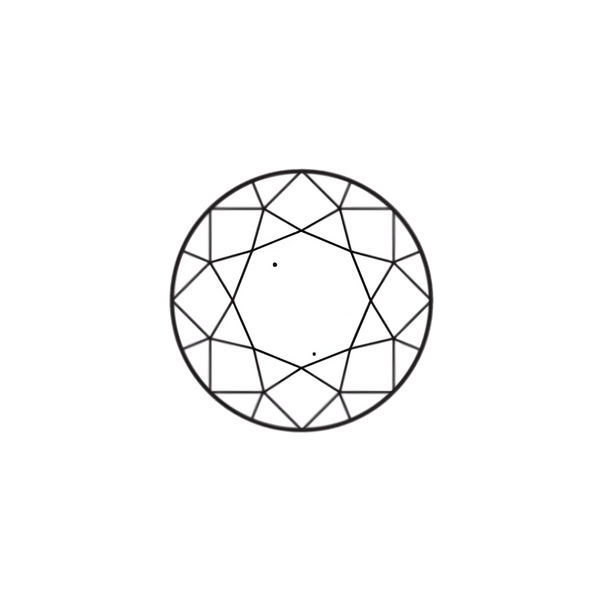
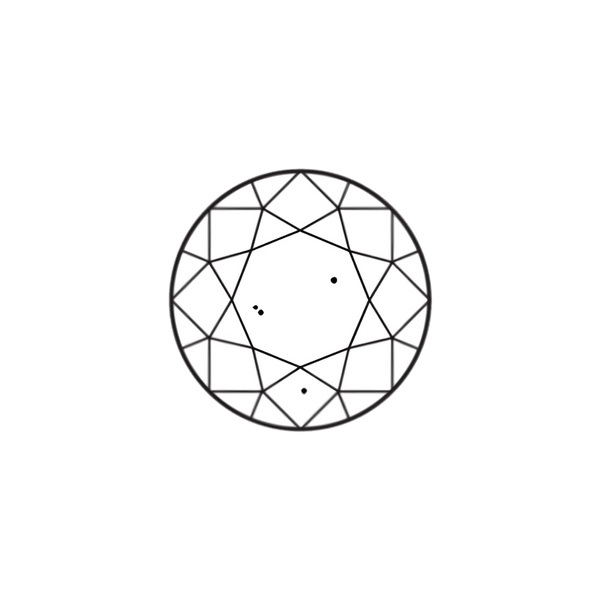
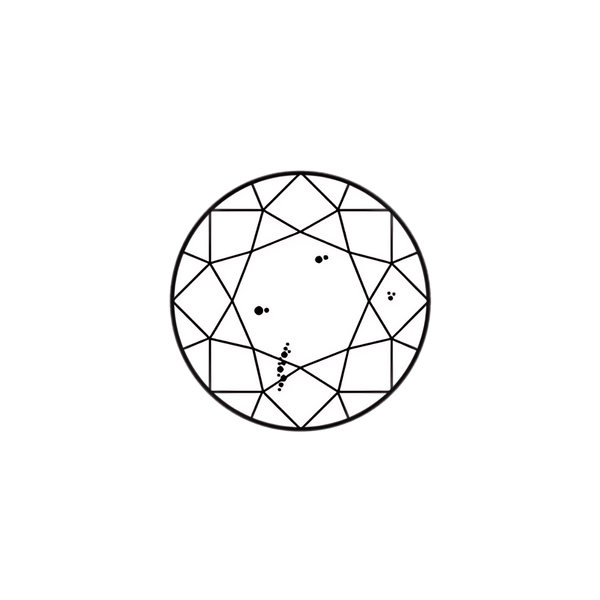
Color and clarity describe different characteristics. Read them separately, then judge how they work together in the actual diamond.
Color: for diamonds on the standard D-to-Z scale, D represents the least body color; visible yellow or brown increases toward Z. Fancy-colored diamonds are assessed differently. The perceived tint also changes with lighting, stone shape and the surrounding gold.
Clarity: describes internal inclusions and surface blemishes. The familiar scale runs from Flawless and Internally Flawless through VVS, VS and SI to Included. The location, size and nature of a feature matter alongside the grade.
A higher clarity grade is not always a difference you can see without magnification. Ask to compare stones and understand any visible features. The diagrams simplify the distinctions; they do not replace a grading report or an examination of the stone.
Natural or lab-grown diamond?
Natural diamonds formed in the earth; lab-grown diamonds are produced in a laboratory. Both are diamonds, with essentially the same chemical composition and optical and physical properties. Lab-grown diamonds are different from simulants such as cubic zirconia.
Your choice may reflect your preference for origin, the design and the budget. Prices differ and change over time; compare actual stones and quotations rather than relying on a fixed percentage saving.
For engagement rings, we can explore natural and lab-grown options with you. The origin should be clearly stated in the documentation for the stone you choose.
CHOOSING THE SETTING AND STYLE
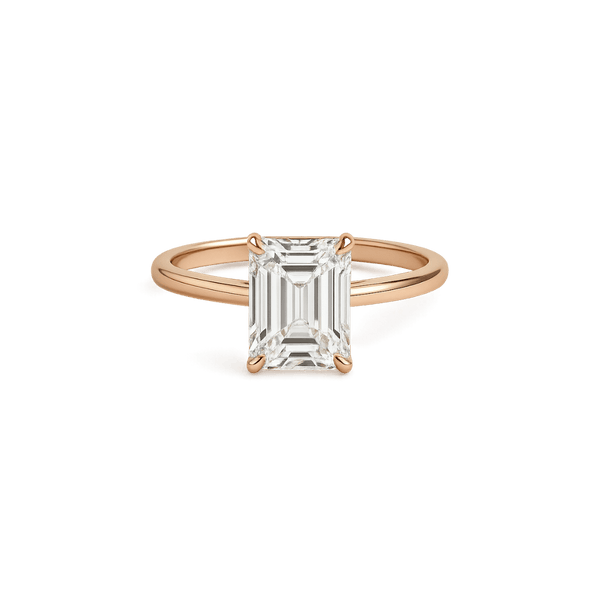
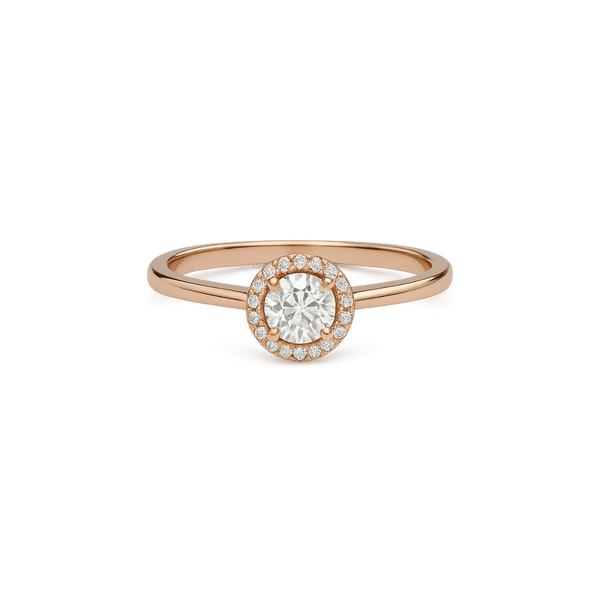
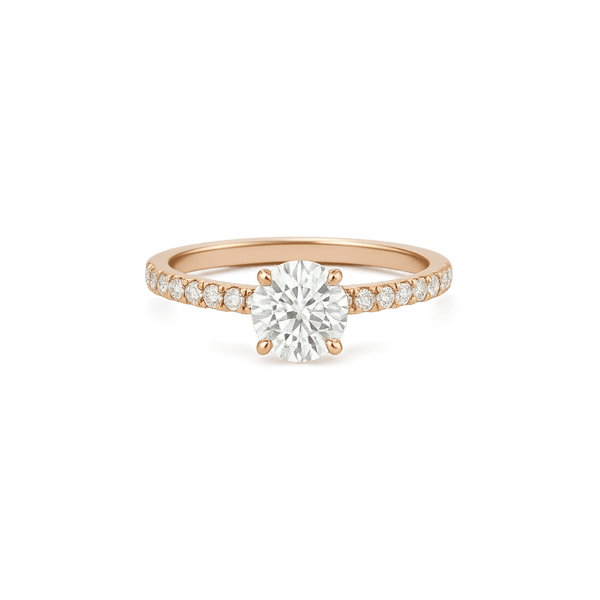
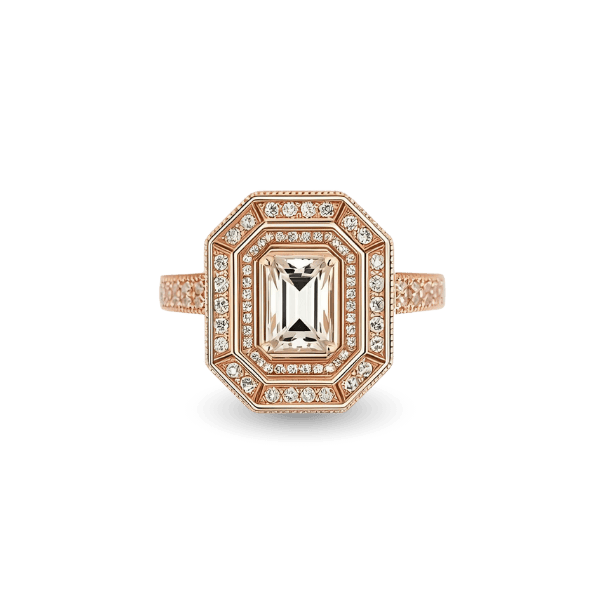
The setting holds the stone and determines the ring’s profile, balance and feel. Start with the overall silhouette, then consider the practical details.
Solitaire: one principal stone takes the focus. Halo: smaller stones surround the centre stone and add a border of sparkle. Side stones: additional diamonds extend the design along the band. Art Deco: a design language associated with geometry and symmetry, rather than one specific way of setting a stone.
Also compare prongs, which leave much of a stone visible, with a bezel, where a rim of metal surrounds it. Look at the ring from the side: its height affects how it feels and how a wedding band might sit beside it.
Ask how the design suits your routine, particularly if you work with your hands. Pointed stones and corners deserve appropriate protection. No setting makes a ring immune to knocks; the right balance is personal.
CHOOSING THE GOLD COLOR


Our engagement designs use 18 karat gold: an alloy containing 75% pure gold. The other metals contribute to its color and working properties.
Yellow gold brings a warm contrast to a diamond. Rose gold gives the ring a softer, warm tone. White gold creates a cooler appearance. Compare the colors against the jewelry already worn, as well as the diamond itself.
White gold can be rhodium-plated; the finish and any future maintenance depend on the specific ring. Ask how the chosen design is finished. The gold color is a personal choice, rather than a rule tied to a skin tone.
Set a budget around your priorities
There is no useful universal rule that an engagement ring should cost a number of months’ salary. Start with an amount you are comfortable spending, then decide what matters most: the diamond’s origin, visible size, appearance or the design itself.
Changing a single specification may affect the price without changing the impression you value most. Compare complete rings, not just loose-stone prices, and ask what the quotation includes: the centre stone, any smaller diamonds, gold, setting work and the agreed finishing details.
At O! Jewelry, bring a budget and a few references if you have them. We can discuss the design around those priorities. The final price and production schedule depend on the stone and the work required, and should be agreed before confirming the ring.
Ring size, comfort and the wedding band
A ring should feel secure at the base of the finger while passing over the knuckle comfortably. Finger size changes with temperature and throughout the day, and a wide band can feel different from a fine one.
Use our ring size guide as a starting point, then arrange an in-person measurement when possible. For a surprise proposal, a ring worn on the same finger can help, but it is not a guaranteed measurement. Ask whether the chosen design can be resized before ordering.
If a wedding band will be worn alongside it, try the combination. Some settings sit flush with a straight band; others leave a gap or call for a shaped band. For ideas on combining rings on one finger, see our gold ring stack guide.
What to check before confirming the ring
Ask for a written description of the diamond’s origin, measurements, weight and relevant grading information. Where a laboratory report is supplied, check the issuing laboratory, report number and the stone it describes. Report formats and assessments can differ, particularly between natural and lab-grown diamonds.
Confirm the gold, ring size, setting, total price and expected completion date. If you have a proposal date in mind, mention it at the first appointment. Stone sourcing, design choices and workshop work influence the schedule; a general online estimate is not a promise for a particular ring.
Made to wear, with considered care
A diamond can resist scratching and still be chipped by a hard impact. Take the ring off for activities that could strike the stone, catch the setting or deform the band. Keep rings apart in storage to avoid rubbing against each other.
Ask for cleaning advice suited to the complete piece, including any other gemstones or treatments. Avoid abrasive household products and home ultrasonic cleaning unless a professional has confirmed it is appropriate. If a stone moves or a prong catches, stop wearing the ring and have it checked.
Questions about choosing an engagement ring
Where should I start if I do not know their style?
Look at the jewelry they already choose: the gold color, the scale and whether their taste is clean, geometric or more detailed. Bring a few photographs or references. You can begin with a conversation before deciding on a stone or setting.
Is a larger carat weight always better?
The preferred size depends on the wearer and the design. Compare the visible dimensions, cut quality, profile and comfort as well as the carat weight. A ring that suits its wearer is a more useful goal than the largest number.
How do I choose between natural and lab-grown diamonds?
Start with your preference for origin and your budget, then compare specific stones. Both are diamonds. Their origin should be clearly described, and any grading documentation should be explained before you decide.
Can the ring be resized after a surprise proposal?
That depends on the setting, band and amount of adjustment. Some designs allow more flexibility than others. Tell us it is a surprise and discuss the size and resizing possibilities before confirming the design.
Will an engagement ring sit next to a wedding band?
It depends on the height and shape of the setting. Try a straight band beside the engagement ring or discuss a shaped band. A small gap can also be an intentional preference.
Can I discuss a ring in Antwerp or Brussels?
Yes. You can book an appointment in either boutique to discuss the stone, design and budget. You do not need to arrive with every detail decided.
From the guide to your ring
Explore our approach to bespoke engagement rings, or visit our Antwerp and Brussels boutiques to compare your options in person.
For independent gemological background, see GIA’s explanation of the 4Cs. The diagrams above are illustrative, and the advice is general; the details of your chosen stone and ring should be assessed individually.